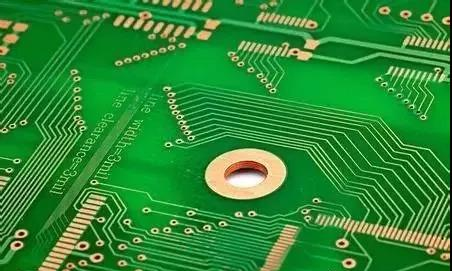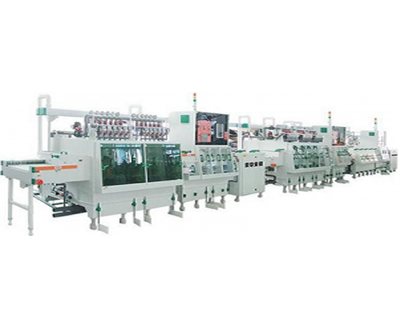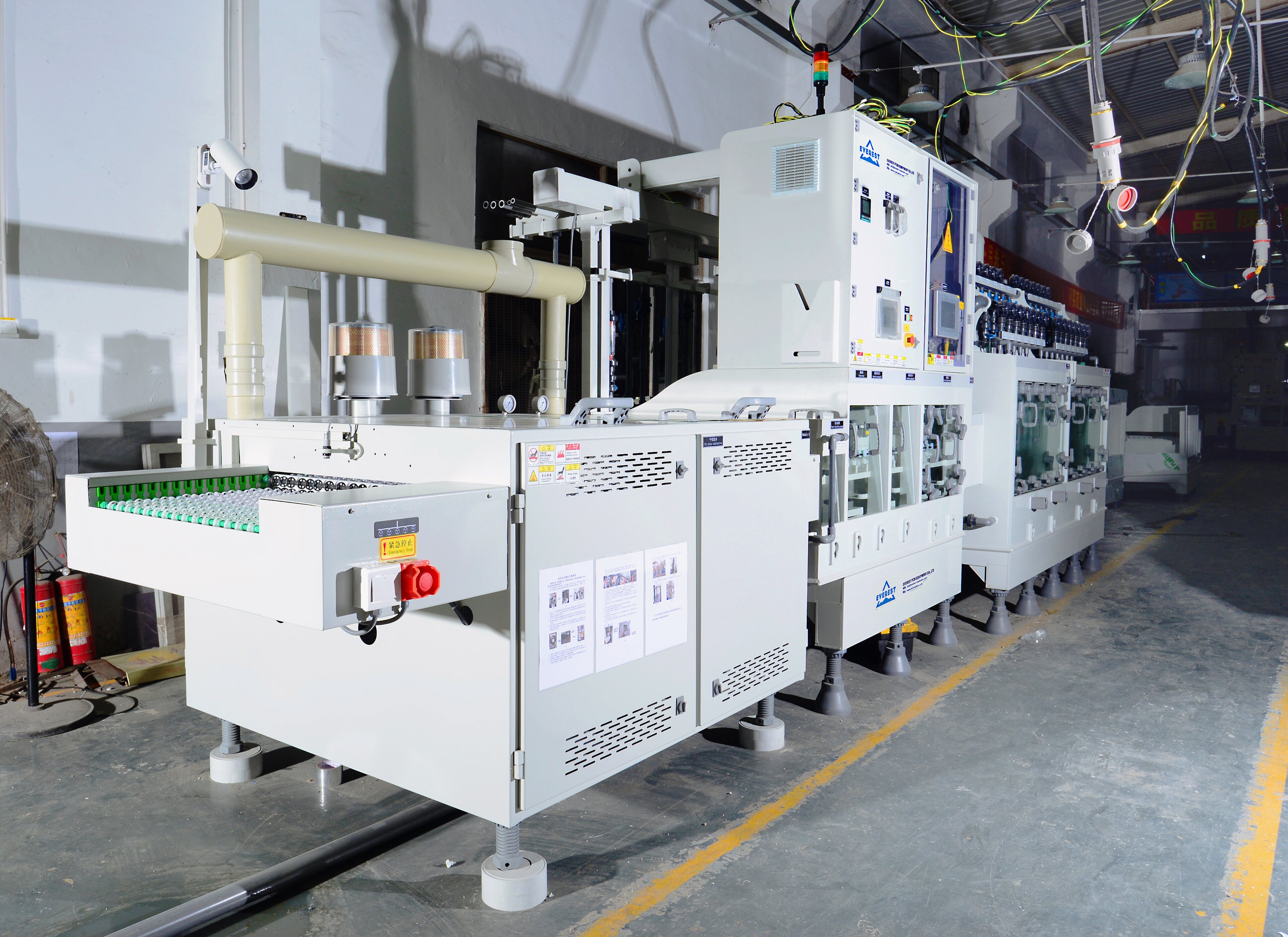

The process of printed circuit board from optical board to displaying circuit pattern is a relatively complex physical and chemical reaction process. This paper analyzes the last step - etching. At present, the typical process of printed circuit board (PCB) processing is "pattern plating". That is, a layer of lead tin anti-corrosion layer is pre plated on the copper foil part to be retained on the outer layer of the board, that is, the graphic part of the circuit, and then the rest of the copper foil is chemically corroded, which is called etching.
蚀刻类型:
需要注意的是,蚀刻时板上有两层铜。在外层蚀刻过程中,只需要完全蚀刻一层铜,其余的将形成最终所需的电路。这种图案电镀的特点是镀铜层仅存在于铅锡耐腐蚀层下方。
Another process is that the whole board is plated with copper, and the part outside the photosensitive film is only tin or lead tin corrosion resistant layer. This process is called "full board copper plating process". Compared with pattern plating, the biggest disadvantage of copper plating on the whole board is that copper must be plated twice everywhere on the board, and they must be corroded during etching. Therefore, when the wire width is very fine, a series of problems will occur. At the same time, side corrosion will seriously affect the uniformity of lines.
在印刷电路板外电路的加工技术中,还有另一种方法,即使用感光膜代替金属涂层作为防腐层。这种方法与内层蚀刻工艺非常相似,可以参考内层制造工艺中的蚀刻。
目前,锡或铅锡是最常用的抗蚀剂层,用于氨蚀刻剂的蚀刻过程。氨蚀刻剂是一种广泛使用的化学溶液,与锡或铅锡没有化学反应。氨蚀刻剂主要是指氨水/氯化铵蚀刻液。
此外,氨水/硫酸铵蚀刻溶液也可以在市场上买到。硫酸盐基雕刻液中的铜在使用后可以通过电解分离,因此可以重复使用。由于其腐蚀速率低,在实际生产中通常很少见,但预计将用于无氯蚀刻。
有人试图使用硫酸过氧化氢作为蚀刻剂来蚀刻外部图案。由于经济和废液处理等诸多原因,该工艺尚未在商业意义上得到广泛应用。此外,硫酸过氧化氢不能用于蚀刻铅锡抗蚀层,而且该工艺不是生产PCB外层的主要方法,因此大多数人很少关注它。
蚀刻质量和预先存在的问题:
The basic requirement for etching quality is to completely remove all copper layers except under the anti-corrosion layer, and that's all. Strictly speaking, if we want to define it accurately, the etching quality must include the consistency of wire width and the degree of side erosion. Due to the inherent characteristics of the current corrosive solution, it can etch not only downward but also left and right directions, so side erosion is almost inevitable.
蚀刻参数中经常讨论侧面蚀刻问题。它被定义为侧面蚀刻宽度与蚀刻深度的比值,称为蚀刻因子。在印刷电路行业,它有着广泛的变化,从1:1到1:5。显然,小侧面蚀刻或低蚀刻因子是最令人满意的。
蚀刻设备的结构和不同成分的蚀刻溶液会对蚀刻因子或侧面蚀刻程度产生影响,或者乐观地说,它是可以控制的。使用一些添加剂可以降低侧面腐蚀程度。这些添加剂的化学成分通常是商业机密,其各自的开发人员不会向外界披露。
在许多方面,蚀刻的质量早在印刷电路板进入蚀刻机之前就已经存在了。因为印刷电路加工的各种过程或过程之间存在非常密切的内部联系,所以没有一个过程不受其他过程的影响,也不影响其他过程。许多被确定为蚀刻质量的问题实际上存在于之前的薄膜去除过程中,甚至更多。
For the etching process of outer graphics, many problems are finally reflected in it because its "inverted stream" image is more prominent than most PCB processes. At the same time, this is also because etching is the last step in a long series of processes starting with self coating and photosensitivity. After that, the outer pattern is transferred successfully. The more links, the greater the possibility of problems. This can be regarded as a very special aspect in the production process of printed circuit.
Theoretically speaking, after the printed circuit enters the etching stage, in the process of processing printed circuit by pattern electroplating, the ideal state should be: the total thickness of copper and tin or copper and lead tin after electroplating should not exceed the thickness of electroplating resistant photosensitive film, so that the electroplating pattern is completely blocked by the "walls" on both sides of the film and embedded in it. However, in real production, the plated pattern of printed circuit boards all over the world is much thicker than the photosensitive pattern after electroplating. In the process of electroplating copper and lead tin, because the coating height exceeds the photosensitive film, there is a trend of horizontal accumulation, which leads to problems. The tin or lead tin anti-corrosion layer covered above the line extends to both sides to form a "edge", covering a small part of the photosensitive film under the "edge".
The "edge" formed by tin or lead tin makes it impossible to completely remove the photosensitive film when removing the film, leaving a small part of the "residual glue" under the "edge". "Residual glue" or "my film" left under the "edge" of the resist will cause incomplete etching. The lines form "copper roots" on both sides after etching, which narrows the line spacing, causing the printed board to fail to meet Party A's requirements and may even be rejected. Rejection will greatly increase the production cost of PCB.
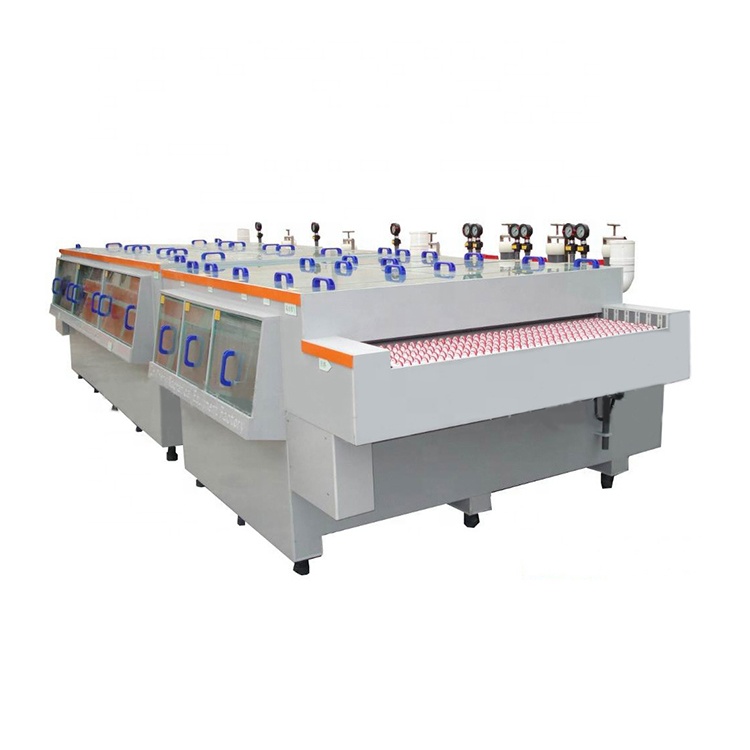
此外,在许多情况下,溶解是由于反应形成的。在印刷电路行业中,残留的薄膜和铜也可能积聚在腐蚀性溶液中,堵塞腐蚀性机器和耐酸泵的喷嘴,因此必须停机进行处理和清洗,这会影响工作效率。
Jan. 01, 1970