

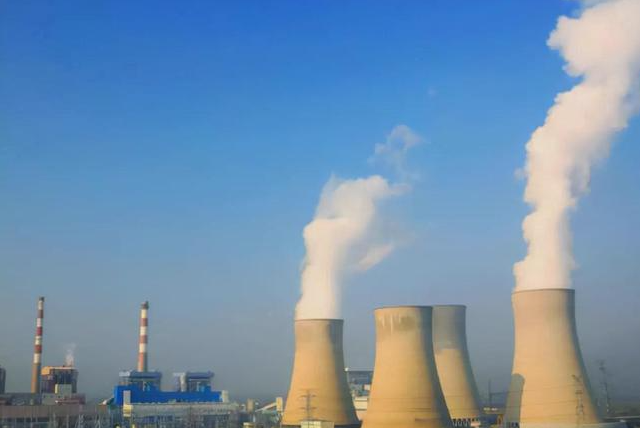
Com a implementação adicional da China’ s “ duplo controle do consumo de energia a política, o âmbito da restrição de energia e produção na China se expandiu significativamente. O chamado “ duplo controle do consumo de energia refere-se aos dois controles sobre o consumo total de energia e a intensidade do consumo unit ário de energia. Os indicadores específicos são controlar o “ consumo total de energia” e o “ razão de consumo de energia do valor acrescentado industrial.
De acordo com os relatos da mídia chinesa, as restrições relevantes afetaram mais de 10 províncias, incluindo Jiangsu, Zhejiang e Guangdong. Além disso, mais empresas cotadas emitiram anúncios para revelar o impacto relevante. Além de indústrias altamente consumidoras de energia como aço, cimento e indústria química, até as indústrias fotovoltaicas e PCB começaram a ser afetadas.
Os governos locais chineses estão ordenando racionamento de energia para evitar fracassar em alcançar o objetivo de duplo controle do consumo de energia. No mês passado, após a economia se recuperar fortemente da epidemia, a China a Comissão de Desenvolvimento e Reforma apontou que a intensidade de consumo de energia de nove províncias aumentou ao invés de diminuir na primeira metade deste ano. A taxa de redução da intensidade do consumo de energia em 10 províncias não atendeu aos requisitos de progresso, e a situação nacional de poupança de energia foi muito grave. De acordo com o relatório e a análise de 21 redes econômicas, para uma única empresa, ela pode ser completada ou planejada em estágios através da transformação técnica, mas está sob grande pressão para toda a economia regional, especialmente em lugares com forte atração de investimentos e rápido crescimento do consumo de energia industrial.
Cerca de 160 empresas com alto consumo de energia na indústria têxtel, impressão e tintura e fibras químicas em Zhejiang foram ordenadas parar a produção para atingir o objetivo de duplo controle do consumo de energia. Cerca de 80% das empresas estão localizadas em Ma’ uma rua. Ma’ uma rua emitiu um aviso de parada de produção em 21 de setembro, e a produção de parada continuará até 30 de setembro.
21 Economic Net relatou que os preços do carvão também atingiram um record elevado, tornando muitas centrales não lucrativas, resultando em uma lacuna no abastecimento de energia em algumas províncias. Se essas lacunas se expandem, o impacto pode ser mais grave do que a racionação de energia em algumas partes da China no verão.
Shanghai Securities News relatou que recentemente, medidas de restrição de energia e produção foram intensamente lançadas em muitas províncias, e “ duplo alto” as empresas receberam avisos de restrição de produção por sua vez. Empresas e cadeias industriais conexas foram afetadas. Por exemplo, no upstream, os preços das matérias-primas como a ço, cimento, alumínio e fósforo amarelo aumentaram devido à estimulação da restrição de produção, e os preços de alguns produtos aumentaram muito recentemente, atingindo um record elevado; No downstream, além de aumentar os custos de produção através da transmissão de preços, o ciclo de abastecimento começou a prolongar e a pressão sobre a entrega de ordem aumentou.
Atualmente, o âmbito de restrição de energia e produção não só abrange indústrias altamente consumidoras de energia como aço, cimento e indústria química no estágio inicial, mas também começa a envolver outras indústrias. O relatório salienta que, atualmente, algumas indústrias fotovoltaicas em Jiangsu, Anhui e Zhejiang são afetadas pela restrição de energia, e muitos fabricantes de filme adesivo e polisílico são necessários para parar o trabalho e limitar a produção. Afeitado por isso, espera-se que a capacidade instalada anual da geração de energia fotovoltaica na China seja reduzida em 15% a 20% do que esperado.

É relatado que a cotação de PCB a curto prazo subirá novamente.
O “ duplo controle do consumo de energia a política foi fortemente implementada na China, e o impacto da restrição do poder continuou a expandir. O âmbito de aplicação foi alargado a mais de 10 províncias e regiões como Jiangsu, Zhejiang e Guangdong. As pessoas afetadas expandiram de indústria pesada para indústria ligeira e energia solar, e a indústria do PCB também foi afetada.
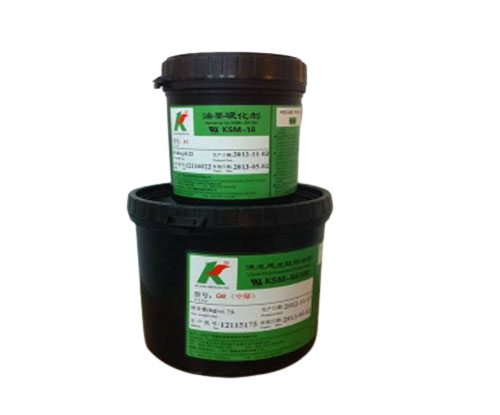
Uma onda de tinta PCB emitida carta de contato empresarial, devido à tensão de matérias-primas, captura, limite de energia e outras razões, os produtos operacionais unificados 10%-15%, temporariamente não ajustaram o preço das empresas é o serviço prioritário em pagamento de tempo ou clientes de pagamento em dinheiro, suspensão tardia da expedição, não exclui o preço de outubro!
Tinha PCB é um material importante para circuitos impressos. De acordo com a observação de peritos, o preço em cima do rpcb (placa de circuitos impressos rígidos) aumentou 15% desde o in ício de 2021, o custo do OEM da fólia de cobre aumentou 30%, o tecido de fibra de vidro aumentou 35% e a resina de époxi (PP) aumentou 25%, resultando em um aumento de 17,35% no custo do substrato da fólia de cobre, e os fabricantes do substrato da fólia de cobre responderam aumentando o preço em 18%.
No valor global de produção de PCB, a China representa 53%, dos quais a província de Jiangsu representa 23%. De acordo com o cálculo, a capacidade afetada da indústria do PCB é pelo menos 12%; Baseado no valor global de produção de PCB de 70 bilhões de dólares nos EUA em 2020 e no tempo de falha de energia por uma semana, o impacto é de cerca de 5 bilhões de NT dólares.
Atualmente, a maioria das fábricas coopera com políticas locais para limitar o poder até o final de setembro a outubro. Expertos acreditam que desde 2021, o painel rígido PCB foi sanduíche entre as matérias-primas em cima e a fábrica EMS, e a capacidade de transfer ência de custos é limitada. Este evento de restrição de energia espera que faça o fim da fabricação de PCB ter a energia para aumentar o preço.
 18 de maio de 2021


